How small teams can handle server information architecture copy, image…
페이지 정보
작성자 Kaitlyn 작성일26-10-04 15:38 조회4회 댓글0건관련링크
본문
By late afternoon, a solo marketer may have five captions and three visual concepts that sound polished but contradict one another. A community consultant preparing a before-and-after content series faces that risk while trying to turn a cluttered server into a clear member journey without hiding essential rules. The raw material includes entry path, permissions, active tasks, channel purpose, and mobile navigation, and those details cannot be improvised safely. The remedy is a shared source of truth. Using platform-native editing as the organizing approach, the team can preserve one idea while changing pace, crop, and interaction and still produce at a practical pace. The workflow below treats generated material as editable working copy, not finished campaign evidence.
Translate the search into an observable outcome. A reader entering Discord server channel layout does not need a wall of random words. The practical objective is to turn a cluttered server into a clear member journey without hiding essential rules. Write that outcome above the campaign brief and reject ideas that do not support it. The practical decision should guide the creative route. Use the supplied phrase once, then write naturally about names, labels, member paths, or room structure. Treat all unverified candidates as demonstrations rather than available identities.
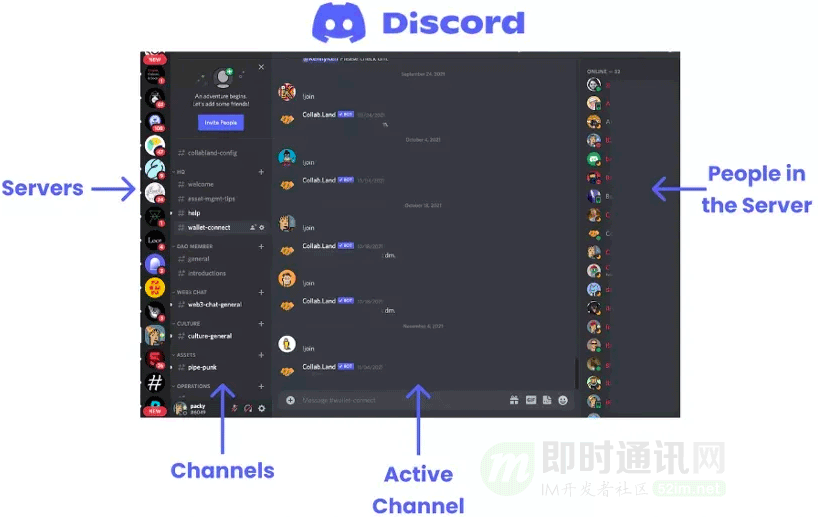
A useful brief answers the questions that otherwise return during revision. Who is the audience, what naming or navigation decision must change, and which platform facts require a source? Put entry path, permissions, active tasks, channel purpose, and mobile navigation in an editable evidence sheet for a community consultant preparing a before-and-after content series. Add a do-not-say list. Include one approved tone sample, one rejected sample, required aspect ratios, video duration, caption limits, delivery date, and named approvers. Keep examples separate from observed data and label them hypothetical throughout the asset set.
Generated material reduces blank-page time, but it creates specific review work. A model may invent a platform rule, imply that a name is available, repeat familiar hooks, or drift away from the requested brand voice. Images can contain broken words, misleading interface elements, impossible hands, duplicated objects, and inconsistent letterforms. Clips can change characters, colors, room labels, and object positions between shots. Fluency is not a source. Keep research, policy interpretation, final typography, factual approval, and publishing decisions with a person.
Design phone-first layouts with a clear first glance. Test the main label, largest line, and reading order at a narrow width before adding secondary detail. Do not shrink safety notes into footnotes. Check long labels in the actual frame.
Treat copy generation as controlled expansion and compression. Begin with a 200-word core explanation based on the approved brief. Ask for three openings aimed at different audience moments, then compress the selected version into a caption and voiceover. Do not ask the system to invent availability or policy facts. A hypothetical twelve-room audit reduced to seven purposeful destinations provides a concrete teaching device, not user data. Keep the same candidate or layout through every derivative so the campaign tells one coherent story.
Storyboard before generating motion. Limit the script to one practical question and arrange five beats: recognizable problem, needed inputs, one illustrative option, a human check, and the resulting decision. A hypothetical twelve-room audit reduced to seven purposeful destinations supplies the demonstration. Put voiceover, on-screen words, seconds, and visual direction on separate rows. Use movement to reveal the choice. Generate visual fragments, edit them into sequence, and inspect continuity, hands, objects, characters, accidental text, subtitles, safe zones, audio levels, and the final frame at normal speed and without sound.
An image brief should describe communication before appearance. State what the viewer notices first, what comparison follows, and which details may not change. For server information architecture, a hypothetical twelve-room audit reduced to seven purposeful destinations is more useful than a generic person pointing at a screen. Specify camera distance, layout, color constraints, background complexity, aspect ratio, and a safe text zone. Do not trust generated lettering for exact names. Compare structurally different compositions, then inspect hands, objects, digits, edges, shadows, interface geometry, and crop behavior.
Adapt from the approved core message, not another platform's finished post. On a professional feed, lead with the decision and show reasoning in a compact document. On an image-led feed, make the first frame legible on a phone and put context in the caption. For vertical video, reveal the difficulty in the first two seconds and keep subtitles inside safe areas. A longer video can preserve the full comparison and source note. Let platform behavior shape the edit. Test 1:1, 4:5, 9:16, and 16:9 crops as required rather than assuming one master fits all.
Run human review in separate passes. Verify every platform fact against its source and check dates; recalculate any counts, character limits, timings, units, or percentages. Compare tone with the brief and remove repeated or overconfident language. Inspect actual exports for dimensions, crop, safe areas, image text, digits, hands, faces, objects, and interface artifacts. Have a second person trace the example. Watch video for character and object continuity, subtitle accuracy, timing, contrast, and meaning with sound muted. Record corrections in the brief before updating related assets.
The finished campaign should feel coordinated rather than cloned. A community consultant preparing a before-and-after content series can move quickly by anchoring every format to the same audience decision, evidence note, and labeled example. Draft broadly, select narrowly, and review carefully. When entry path, permissions, active tasks, channel purpose, and mobile navigation remain traceable and a hypothetical twelve-room audit reduced to seven purposeful destinations stays explicitly hypothetical, the set can teach a concrete method without implying certainty. Publish only after copy, image, crop, continuity, captions, and silent playback pass the recorded human check.
댓글목록
등록된 댓글이 없습니다.